The battery was disconnected for a repair, and now your car idles a little unevenly, shifts differently, or has a dashboard reminder you didn't see before. That change can be surprising when the engine ran normally the previous day. Disconnecting electrical power affects some stored settings, but it doesn't necessarily damage the computer. Knowing what the car needs to relearn helps distinguish temporary behavior from a new problem that requires testing.
Electronic Modules Store More Than Error Codes
Modern cars use multiple electronic control modules to manage engine operation, transmission behavior, body functions, and convenience settings. Some information remains stored without battery power, while other learned values or temporary data may reset. The exact result depends on the manufacturer and model year. A power interruption isn't equivalent to erasing the entire computer or returning every system to its original factory state.
When a battery is replaced, we consider which systems require initialization and which settings the vehicle restores automatically. A clock or radio preset is an obvious example, but throttle learning and emission monitor status are less visible. Keep the repair record handy because it helps connect the timing of a new symptom to the battery service. A warning that appeared afterward still needs inspection if it doesn't clear through the correct procedure.
Idle Speed and Throttle Learning Can Change
Many electronic throttle systems adjust their operation over time as the engine ages and deposits accumulate. The engine control module may store learned idle-air or throttle values to maintain a steady idle with accessories running. On certain vehicles, disconnecting the battery resets those adaptations. After reconnecting power, the engine may idle high, hesitate, or run unevenly until the prescribed relearning process is complete.
After a battery replacement in Spring Hill, an engine may idle unevenly during its first few stops while control strategies relearn. A warning lamp that persists, repeated stalling, or power steering that no longer works normally calls for testing. The timing of the battery work is a clue, not a reason to dismiss serious symptoms.
The correct relearn procedure varies. Some models learn through normal operation, while others require a specific stationary sequence or diagnostic equipment. Don't attempt a procedure copied from an unrelated model or force the engine to rev repeatedly. If idle quality remains poor, we check for air leaks, dirty throttle components, electrical connections, and fault data. A battery reset may expose an existing condition, but it doesn't prove that the throttle body needs replacement.
Automatic Transmissions May Rebuild Shift Adaptations
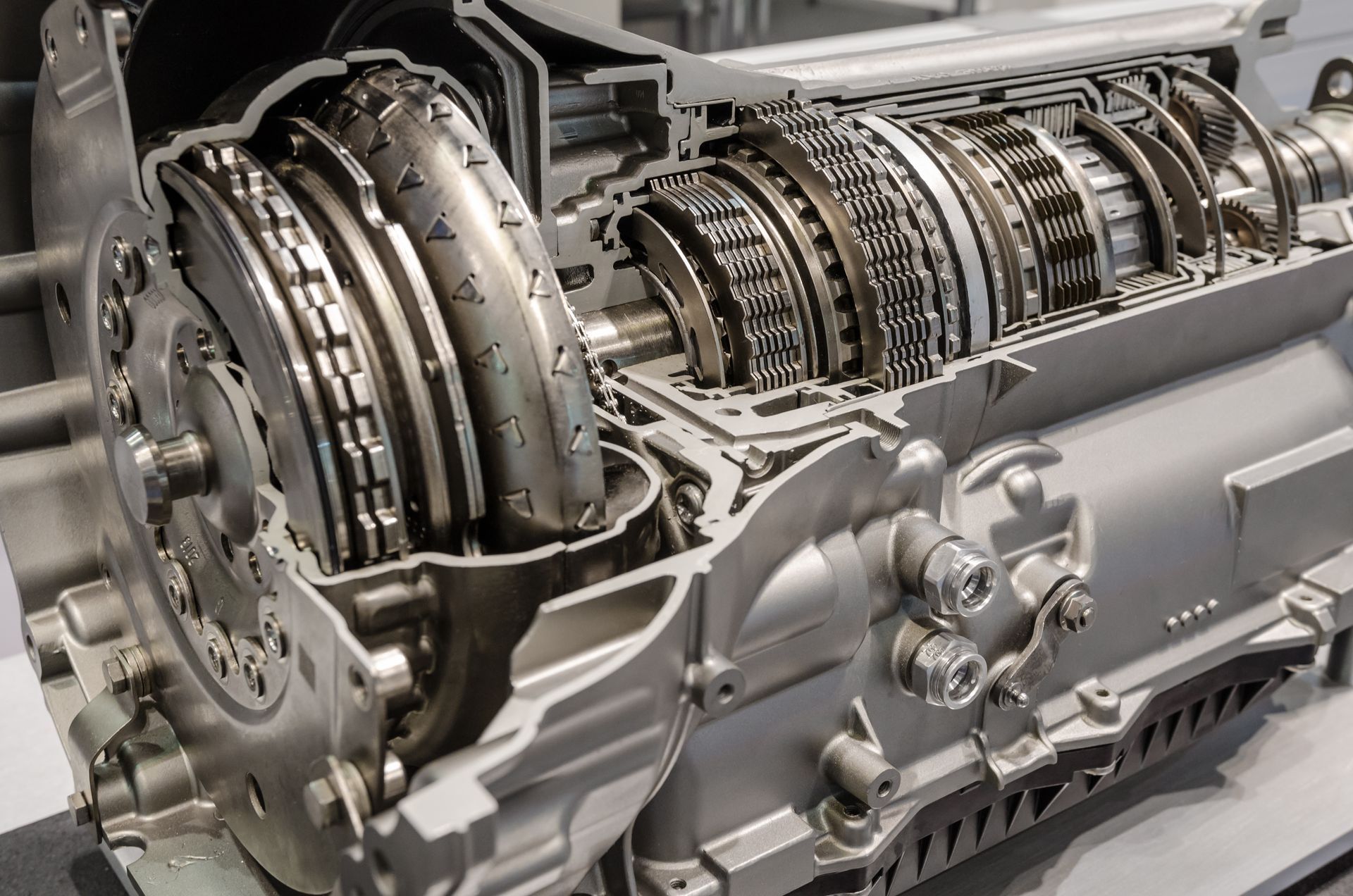
Some automatic transmissions store learned pressure or shift adaptations that account for operating conditions and wear. A loss of power or module reset may affect how shifts feel afterward on certain models. Drivers describe a firmer shift, a slightly delayed response, or different behavior during the first few trips. Those observations need to be compared with the vehicle's transmission design and its actual reset strategy.
Not every transmission loses learned settings when the battery is disconnected. A harsh shift can also come from low fluid, mechanical wear, or a control fault that existed beforehand. We review transmission data and the service history when the change persists. Driving aggressively to make the transmission relearn faster is not a safe or recommended method. Follow the manufacturer's process and report slipping, strong banging, or loss of drive promptly.
Windows and Convenience Features Sometimes Need Initialization
Automatic window functions may stop working after power is disconnected because their control modules need to relearn the full-open and full-closed positions. Some vehicles also lose personalized seat, mirror, or climate settings. The dashboard clock may reset, and the infotainment system may need a short period to restart or reconnect to saved devices. These changes usually involve convenience features, but certain windows have pinch-protection functions that require correct initialization.
Check the owner's manual before attempting a window reset. A procedure designed for one car may be different on another, and forcing the glass against resistance is a poor test. If a window binds, makes noise, or reverses unexpectedly, its hardware or protection system needs inspection. We confirm the relevant functions after electrical service where the manufacturer's instructions call for it. Don't assume that a failed one-touch setting means the window motor is defective.
Emissions Readiness Monitors Need Time to Run Again
A disconnected battery can clear some stored diagnostic information and reset emission readiness monitors on many vehicles. These monitors check systems such as oxygen-sensor operation, catalytic converter efficiency, and evaporative emissions controls under specified driving conditions. The check engine light may be off even though several monitors have not completed their tests. That distinction becomes important before an emissions inspection.
A vehicle may need a combination of ordinary driving conditions before every required monitor reports ready. The exact drive cycle differs by system and manufacturer. Simply letting the engine idle for a few minutes rarely completes all checks. We review readiness status when needed and explain if a fault prevents a monitor from finishing. Clearing codes or disconnecting the battery to extinguish a warning isn't a repair and may delay a legitimate emissions test.
A Loose Connection Can Create a Real Fault
Battery terminals, grounds, and related electrical connections must be secure after service. A loose terminal creates intermittent voltage loss that affects multiple systems, sometimes producing warning lights or hard starting. A battery with the wrong specification or insufficient charge introduces additional issues. Vehicles with battery monitoring systems may also require a registration or reset process when a replacement is installed.
If behavior changed immediately after electrical work, tell us exactly what was disconnected and which warnings appeared. An inspection may include charging performance, voltage-drop checks, and electronic fault records. Repeatedly resetting the battery without checking connections can erase information that would help identify the cause. Routine maintenance includes checking corrosion and battery security, but persistent electrical faults need a targeted diagnostic approach.
A brief change in idle or a missing clock setting may be expected after a battery interruption. Stalling, unstable charging, warning lights that remain on, or unsafe transmission behavior shouldn't be dismissed as normal relearning. Record the timing and circumstances before arranging service. Avoid heavy traffic if the car can't idle reliably or respond predictably to the accelerator.
Get Battery Reset and Engine Performance Inspection in Spring Hill, TN, With Spring Hill Automotive Center
Spring Hill Automotive Center in Spring Hill, TN helps drivers sort out problems that appear after battery service. We review electrical connections and model-specific reset requirements before replacing parts.
Call
Spring Hill Automotive Center or schedule an appointment online.